Mental Wellness Diet Plan
Mental wellness is supported by stable blood sugar, gut health, sleep, hydration, omega-3, magnesium, B vitamins, protein and mindful eating.
Get Mental Wellness Diet Plan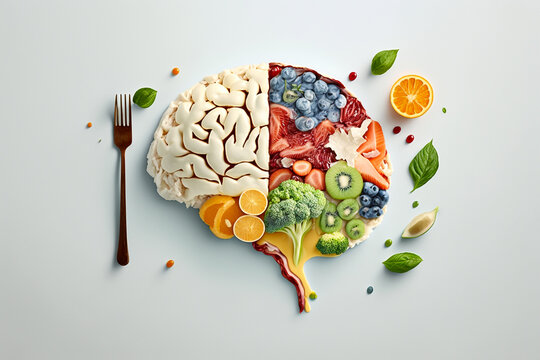
What is a Mental Wellness Diet Plan?
A mental wellness diet plan supports mood, focus, sleep, stress balance, gut health and daily emotional energy. It is not a replacement for therapy or medical care, but food can strongly support overall mental wellbeing.
Key Goals for Mental Wellness
Calm Nerves
Magnesium-rich nuts, seeds, banana and greens support nerve relaxation.
Omega-3 Support
Walnuts, flaxseed, chia and fatty fish support brain and mood health.
Gut-Brain Balance
Curd, fibre, fruits, vegetables and dal support gut health, which connects with mood.
Specific Nutrients for Mental Wellness
B Vitamins
Support nerves and energy. Add whole grains, dal, eggs, dairy, leafy greens and fortified foods.
Magnesium
Supports relaxation. Add almonds, pumpkin seeds, spinach, banana and whole grains.
Protein
Supports neurotransmitters. Add dal, paneer, curd, tofu, eggs, fish or chicken.
Iron & B12
Low levels can worsen tiredness and brain fog. Check reports if weakness is frequent.
Omega-3
Supports brain cell health. Add walnuts, chia, flaxseed and fatty fish if suitable.
Hydration
Low water intake can worsen headache, fatigue and low focus.
Foods to Eat for Mental Wellness
- ✅ Omega-3: walnuts, flaxseed, chia, fatty fish
- ✅ Magnesium: almonds, pumpkin seeds, spinach, banana
- ✅ Protein: dal, paneer, curd, tofu, eggs, sprouts
- ✅ Gut support: curd, buttermilk, fruits, vegetables, oats
- ✅ Calm foods: warm milk, chamomile tea, nuts, seeds, khichdi
Foods & Habits to Limit
- ⚠️ Excess caffeine, especially evening tea/coffee
- ⚠️ Too much sugar, sweets and cold drinks
- ⚠️ Skipping meals and long gaps
- ⚠️ Alcohol, smoking and late-night overeating
- ⚠️ Doom scrolling and screens close to bedtime
Simple Indian Mental Wellness Diet Chart
| Time | Meal | Example |
|---|---|---|
| Morning | Calm Start | Water + soaked almonds/walnuts OR fruit |
| Breakfast | Focus Meal | Oats with nuts / egg toast / paneer chilla + curd / poha |
| Lunch | Mood Plate | Roti/rice + dal/paneer/fish + sabzi + salad + curd |
| Evening | Stress-Safe Snack | Fruit + nuts/seeds / roasted chana / buttermilk / makhana |
| Dinner | Sleep Support Meal | Khichdi / soup + dal/paneer/tofu/egg + cooked vegetables |
Mental Wellness Lifestyle Points
Helpful Habits
- ✅ Eat meals at regular timing.
- ✅ Sleep 7–8 hours whenever possible.
- ✅ Walk, stretch or do yoga daily.
- ✅ Practice meditation, prayer or deep breathing.
- ✅ Spend time in sunlight and nature.
Precautions
- ⚠️ Diet cannot replace therapy or psychiatric care.
- ⚠️ Severe anxiety, depression or panic needs professional help.
- ⚠️ Do not stop medicines without doctor advice.
- ⚠️ Avoid random supplements for mood without guidance.
When to Take Immediate Help
- ⚠️ Thoughts of self-harm or hopelessness
- ⚠️ Severe panic, confusion or hallucination
- ⚠️ Not sleeping for many nights
- ⚠️ Sudden behaviour change or extreme mood swings
- ⚠️ Addiction, withdrawal or inability to function daily
Need a Personal Mental Wellness Diet Plan?
Mental wellness diet should depend on sleep, stress, mood, digestion, B12, vitamin D, iron, thyroid, sugar balance, work routine and lifestyle.
Chat on WhatsAppFAQs
Which food is good for mental wellness?
Walnuts, seeds, dal, curd, paneer, eggs, fruits, vegetables, oats, leafy greens and enough water support mental wellness.
Can diet cure anxiety or depression?
Diet can support mood and energy, but anxiety and depression may need therapy, medical care and proper diagnosis.
Expert Answers About Mental Wellness Nutrition
These answers explain how emotional eating, social connection, routine changes and sunlight exposure may influence mental wellbeing.
What is emotional eating?
Emotional eating means using food to cope with stress, sadness, boredom or anxiety rather than physical hunger. Identifying triggers and building alternative coping habits can help improve eating patterns.
Can social connection support mental wellbeing?
Yes. Regular interaction with supportive family members, friends or community groups can reduce isolation and provide emotional support during stressful periods.
Why can a predictable daily routine help mental health?
A consistent routine can reduce decision fatigue and create stability around meals, work, rest and personal care. It may be especially helpful during periods of stress or low motivation.
How can morning sunlight affect mood?
Morning light helps regulate the body’s internal clock and may support daytime alertness and nighttime sleep. Safe, regular sunlight exposure can be part of a healthy mental wellness routine.